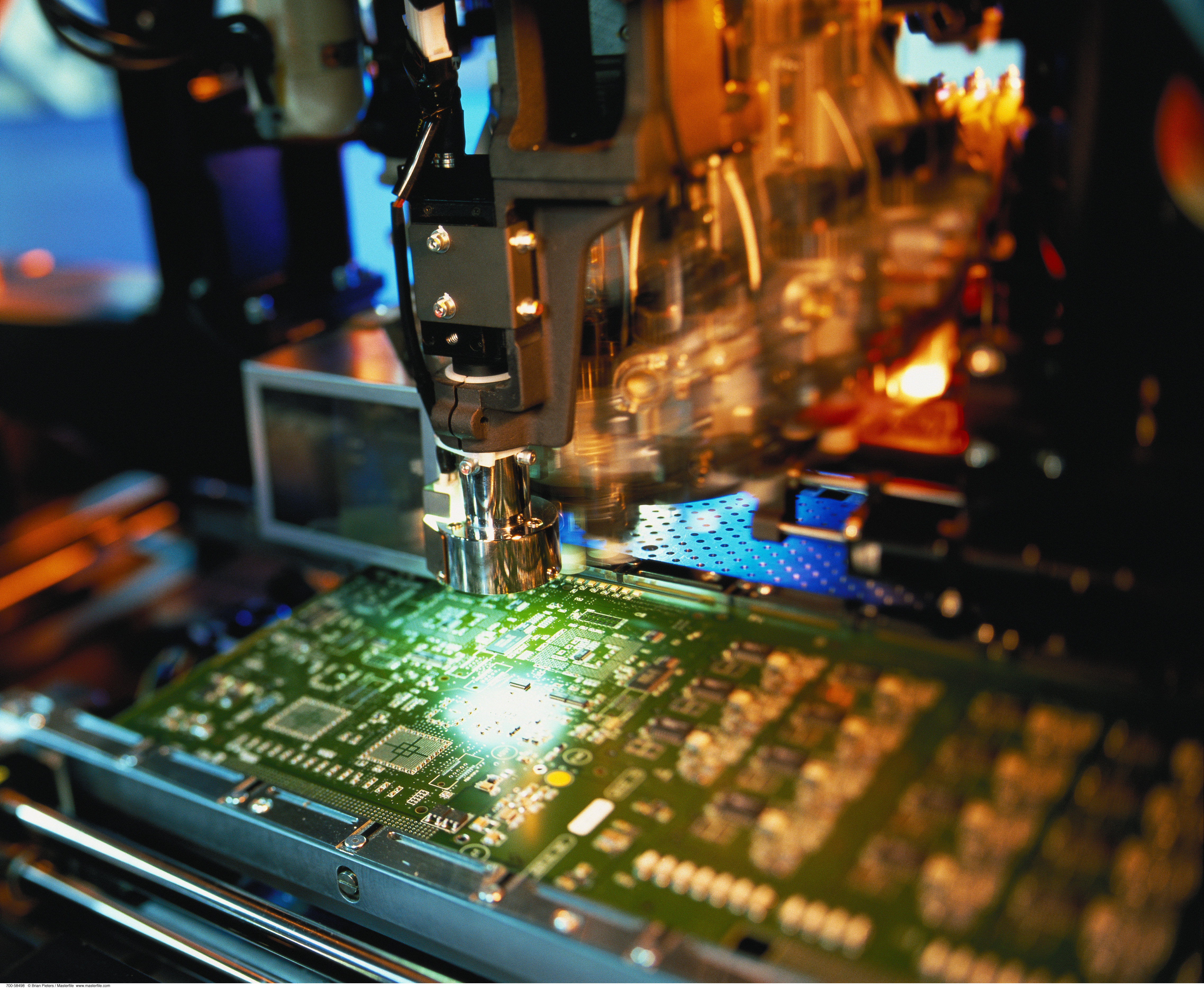



In 2023, China's integrated circuit industry has entered a critical period of transformation and reform. Emerging fields such as 5G communications, VR/AR, the Internet of Things, artificial intelligence and brain-inspired computing, and autonomous driving will become key drivers for the integrated circuit market, propelling the industry into a new phase of development. Under the dual-carbon policy, the transition to green and low-carbon practices is urgent. The digital economy is accelerating the deep integration of virtual and physical worlds, while the electronics and semiconductor industry is gradually establishing a new development paradigm centered on domestic circulation, with domestic and international circulations reinforcing each other. Domestic production, digitalization, and low-carbonization will be key directions for industrial development.
Simultaneously, the rapid growth of China's electronics and semiconductor sector is driving efficient operations across the entire industrial chain. Manufacturing facilities are operating at full capacity, with plant infrastructure development advancing at breakneck speed. This demands more reliable, efficient, and hassle-free management and operational support. As a critical element in industrial smart manufacturing, power management assumes paramount importance.
Simultaneously, the rapid growth of China's electronics and semiconductor sector is driving efficient operations across the entire industrial chain. Manufacturing facilities are operating at full capacity, with plant infrastructure development advancing at breakneck speed. This demands more reliable, efficient, and hassle-free management and operational support. As a critical element in industrial smart manufacturing, power management assumes paramount importance.